- Emergencies
- 112. 112 reaches all services, in English, from any phone. The tourist police (171) help visitors with complaints and lost things.
- Tipping
- Not required. Rounding up, or about 5–10% for good table service, is kind. Some tavernas charge about €1–2 a person for bread; that's allowed if it's on the menu. A jug of tap water is often brought free.
- Cards and cash
- Cards work in most shops and tavernas in towns and on the big islands; kiosks, beach bars and village tavernas may want cash. Euros. Use bank ATMs rather than stand-alone ones with high fees, and pay in euros when a machine offers your home currency.
- Phone
- An eSIM bought before you go is usually the cheapest data; most 'Europe' plans include Greece (check). Cosmote, Vodafone and Nova sell prepaid SIMs in their shops; you need your passport to register one.
- Plugs
- Type C, F, 230 V. Two round pins (Type C and F). Australian and NZ plugs are Type I, so bring an adapter.
- Tourist tax
- A 'climate resilience fee' is charged per room a night: about €2 at simple places to €15 at five-star hotels from April to October, less in winter; paid at check-in (check).
- Book ferries in summer
- In July and August, book island ferries and beds well ahead. Strong summer winds (the meltemi) can delay or cancel ferries, so leave a spare day before a flight home.
- Early starts in summer
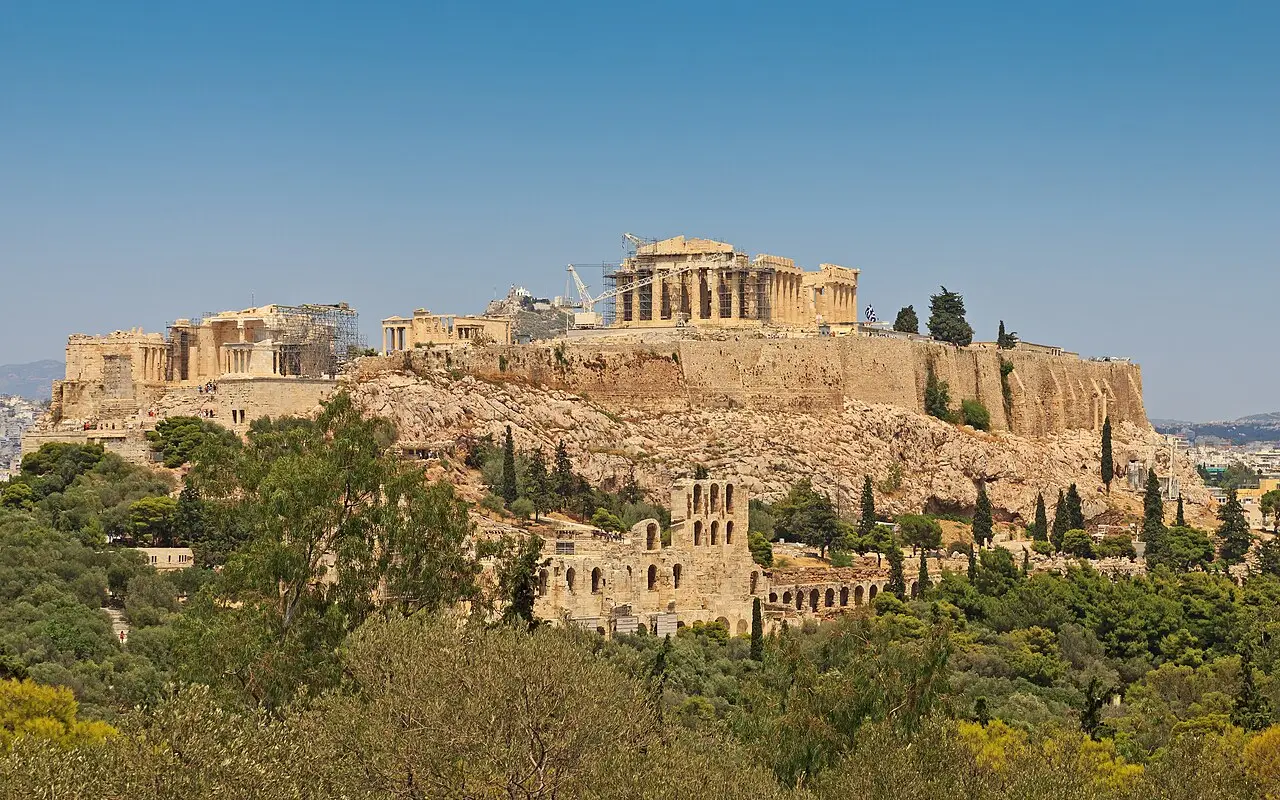
- Summer afternoons are very hot: see the Acropolis and other open-air sites when they open or late in the day. Sites can close at midday in a heatwave (check).
- Cover up in monasteries
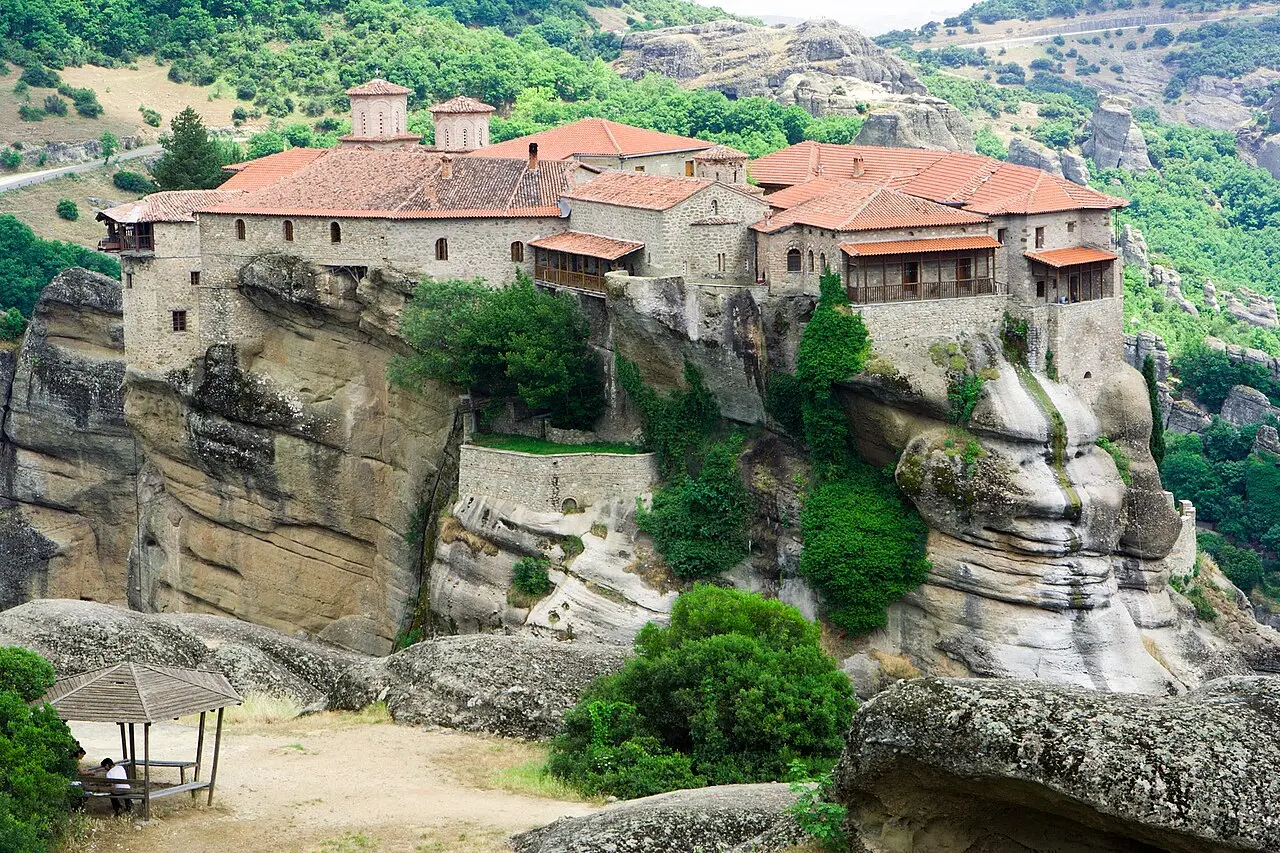
- Monasteries, including Meteora's, and some churches need shoulders and knees covered; women may be asked to wear a skirt, often lent at the door.
- Free days at state sites
- Many state sites and museums are free on some national days and on the first Sunday of the month in winter (check). EU students go free; others pay.
- Late dinners
- Greeks eat dinner late, from about 9pm. Bakeries and souvlaki shops are the cheap, all-day option.