112. 112 reaches all services from any phone, in English.
Tipping
About 10–15% for table service, unless a service charge (often 10–15%) is already on the bill: check before adding more. No cover charge, but check the bill for a service charge. Tap water is safe.
Cards and cash
Cards and phones work almost everywhere in Budapest; small places in the countryside may want cash. Hungarian forints (HUF), not euros. Use bank ATMs, not Euronet ones, and always pay in forints when a machine offers your home currency.
Phone
An eSIM bought before you go is usually the cheapest data; most 'Europe' plans include Hungary (check). Yettel, Telekom and One sell prepaid SIMs in their shops; you need your passport to register one.
Plugs
Type C, F, 230 V. Two round pins (Type C and F). Australian and NZ plugs are Type I, so bring an adapter.
Tourist tax
Towns add a tourist tax on beds, in Budapest a share of the room price (about 4%), usually included or added at check-in (check).
Thermal baths
Bring flip-flops, a towel and a swimsuit (caps for some lap pools); the big baths are busiest in the afternoon and at weekends.
Pay in forints
Some places take euros, at a poor rate. Pay in forints, by card where you can, and avoid exchange offices near tourist streets.
Validate your ticket
In Budapest, tap a card at the barrier or validate paper tickets on board; inspectors fine on the spot. A travel pass is simpler.
Book the Parliament tour
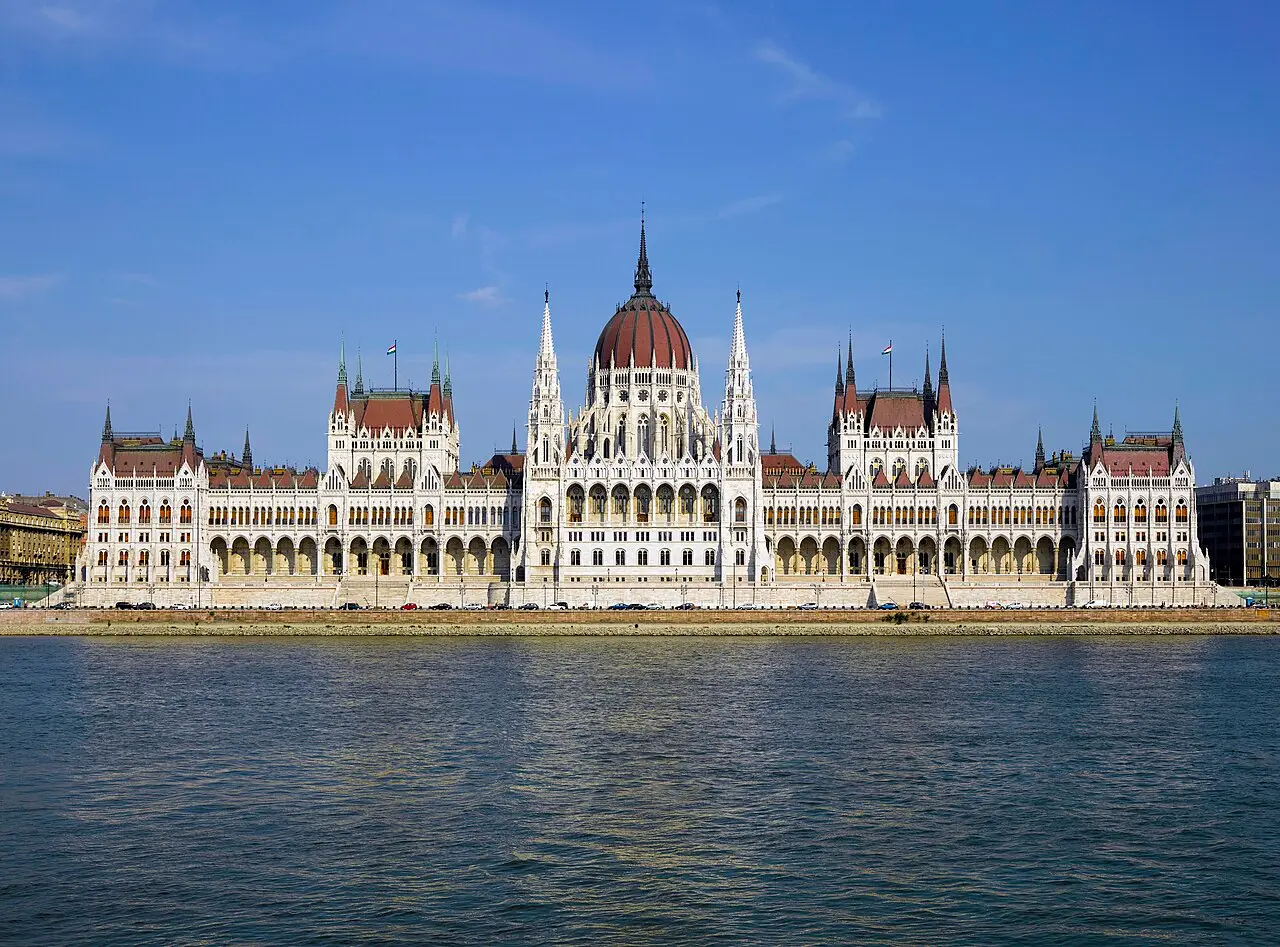
Hungary's Parliament is seen only on timed tours that sell out in summer; book online ahead.
Museums on Mondays
Many museums close on Mondays.
Ruin bars
Budapest's ruin bars, in old courtyards in the Jewish Quarter, are lively at night; the area is loud and busy at weekends.
Flewaway's practical notes, worded as usual practice; check your government's travel advice before you go.