- Emergencies
- 112. 112 reaches all services, in English, from any phone. For small things, a pharmacy ('ljekarna') is the first stop.
- Tipping
- Not expected. Rounding up, or about 10% for good table service, is kind. No cover charge in most places; a few restaurants in Dubrovnik and Hvar charge for bread (check the menu).
- Cards and cash
- Cards work widely in towns; small konobas, island bakeries and some private rooms want cash. Euros since 2023. Use bank ATMs rather than stand-alone ones with high fees, and pay in euros when a machine offers your home currency.
- Phone
- An eSIM bought before you go is usually the cheapest data; most 'Europe' plans include Croatia (check). Hrvatski Telekom, A1 and Telemach sell prepaid SIMs at their shops and at newsstands.
- Plugs
- Type C, F, 230 V. Two round pins (Type C and F). Australian and NZ plugs are Type I, so bring an adapter.
- Tourist tax
- A tourist tax of about €1–4 a person a night, by town and season, usually added at check-in (check).
- Book Plitvice ahead
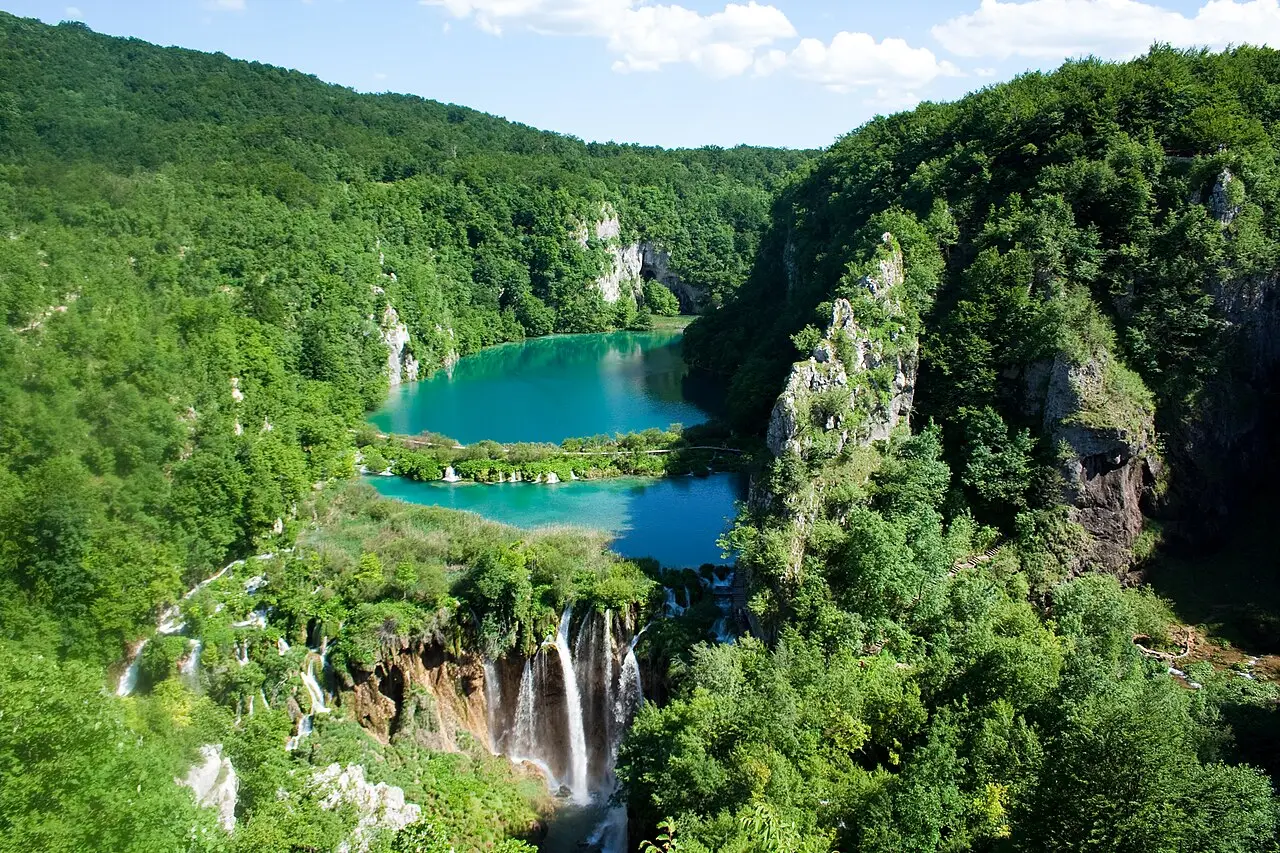
- Plitvice Lakes sells timed entry tickets online, and summer days sell out; buy ahead and arrive at your time (check).
- Dubrovnik's walls early
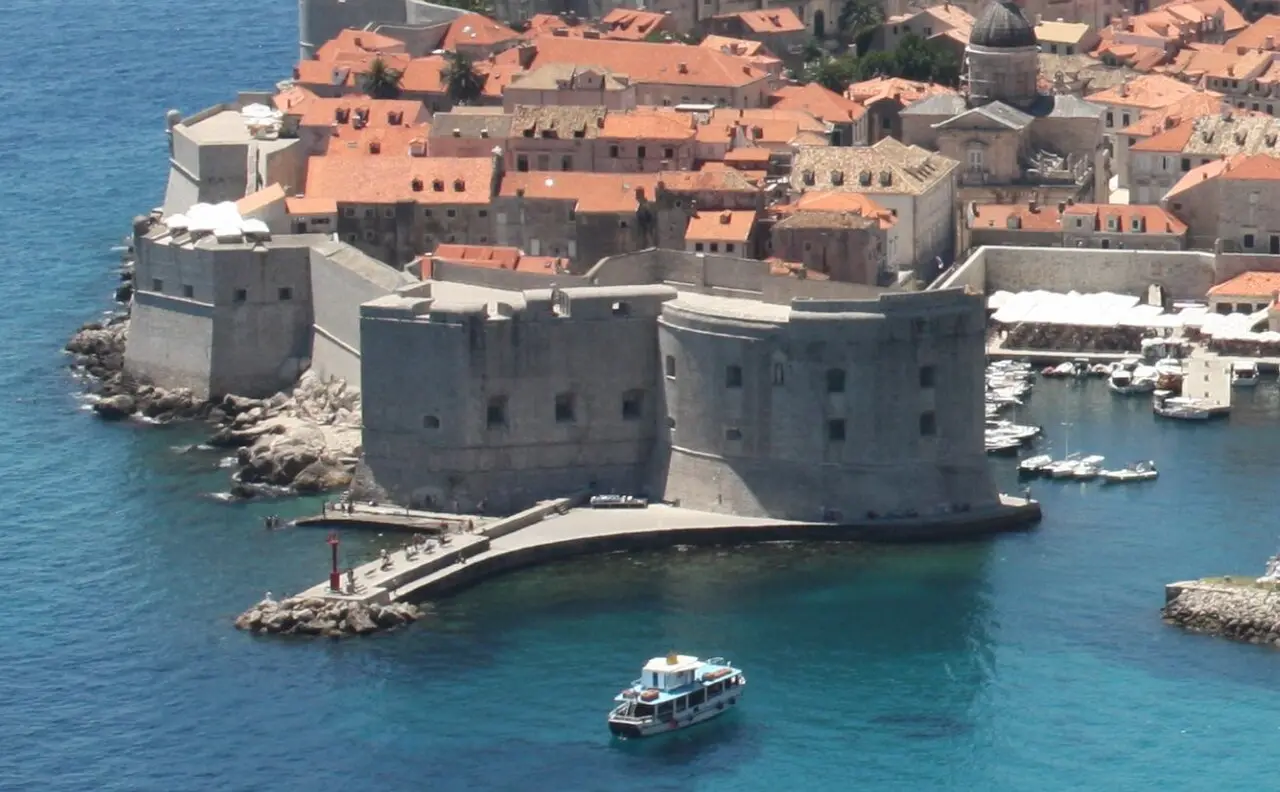
- Walk Dubrovnik's city walls when they open or late in the day: by midday in summer they're hot and crowded with cruise groups.
- Buy island boats ahead
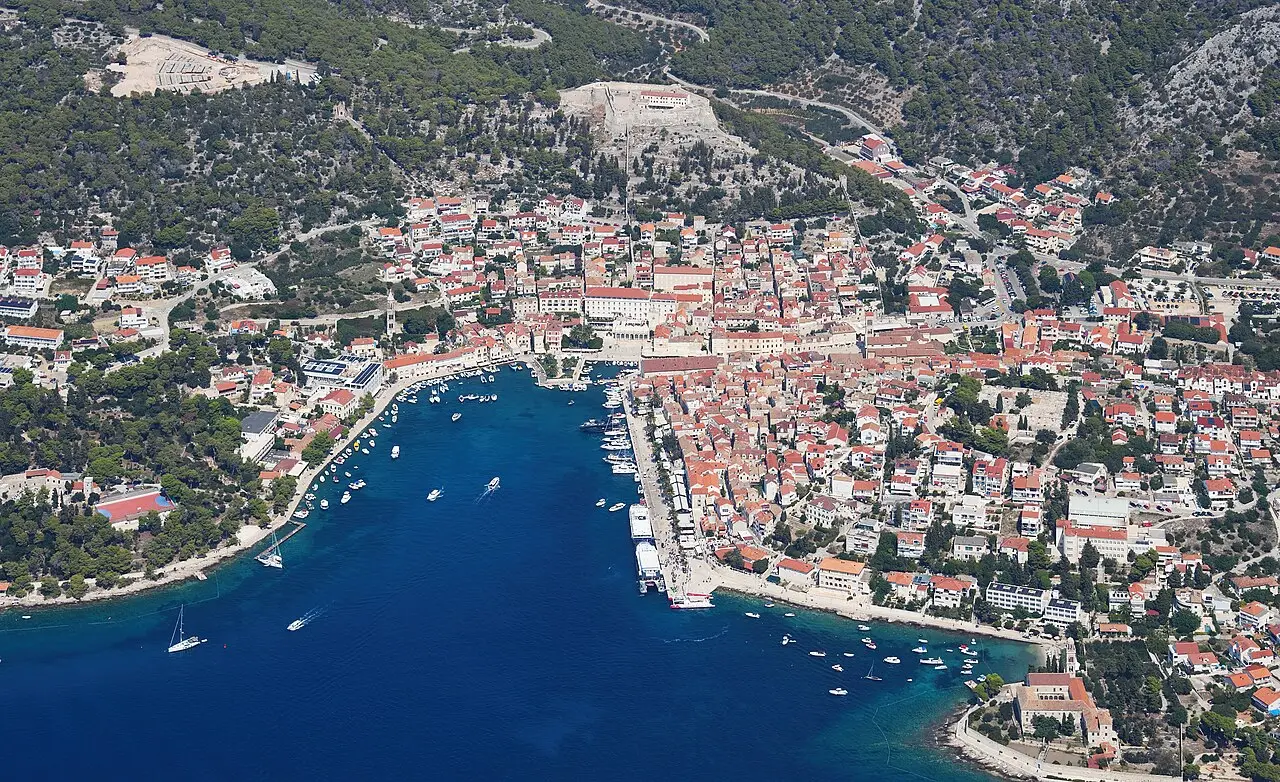
- Catamarans between Split and the islands fill up in summer: buy tickets a day or more ahead (check Jadrolinija).
- Cover up off the beach
- Walking around Split, Hvar or Dubrovnik in swimwear or shirtless can get you fined; cover up away from the beach.
- Pebble beaches
- Most beaches are pebbly or rocky, and there are sea urchins on some; water shoes help.
- Fewer shops on Sundays
- Many shops close on Sundays, especially outside summer; bakeries and some supermarkets open in the morning.