- Emergencies
- 112. 112 reaches all services from any phone, with English spoken. Local numbers vary by region, so 112 is the one to remember. A pharmacy (green cross) helps with small things.
- Tipping
- Tipping is small: rounding up or leaving a euro or two for good table service. Not expected at bars or for a coffee. Usually no cover charge, though some places charge for bread you eat and terrace tables can cost a little more (it's on the menu). Tap water is free if you ask.
- Cards and cash
- Cards and phone payments work almost everywhere; some small bars and market stalls prefer cash. Euros. Use bank ATMs and decline the offer to charge you in your home currency.
- Phone
- An eSIM bought before you go is usually the cheapest data; most 'Europe' plans cover it (check). Movistar, Vodafone, Orange and the budget brands sell prepaid SIMs; you need your passport to register one.
- Plugs
- Type C, F, 230 V. Two-pin European plugs (Type F is the round 'Schuko' socket; Type C fits it). Australian and NZ plugs are Type I, so bring an adapter.
- Tourist tax
- Catalonia (Barcelona) and the Balearic Islands charge a tourist tax, usually a few euros a person a night, added at check-in; some other cities are bringing one in (check).
- Meals are late
- Lunch is usually 1.30 to 4pm and dinner from 9pm. Many kitchens close between. Plan your day around a long lunch.
- The 'menú del día'
- On weekdays many restaurants do a set lunch (starter, main, dessert, a drink) for about €12–18: the best-value meal of the day.
- Book the big sights ahead
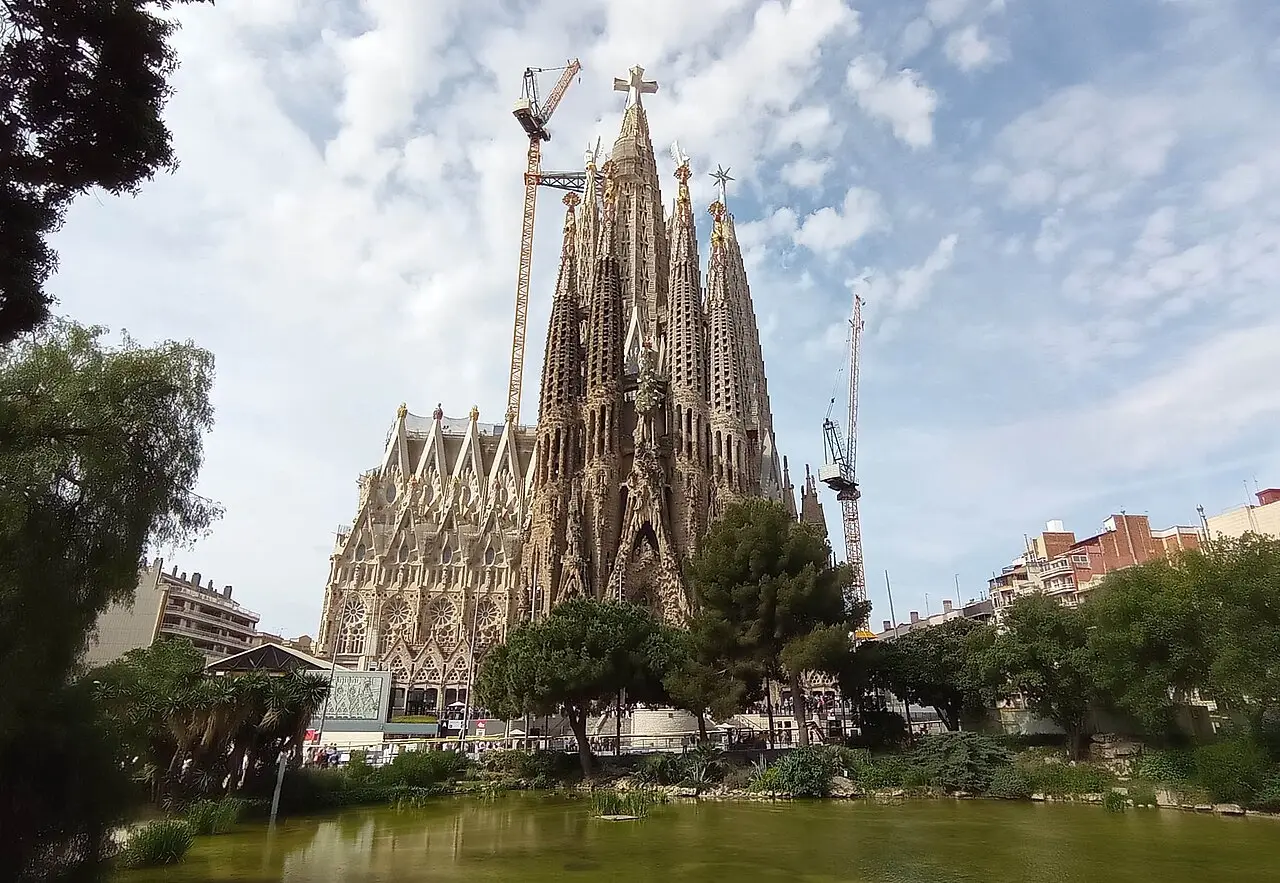
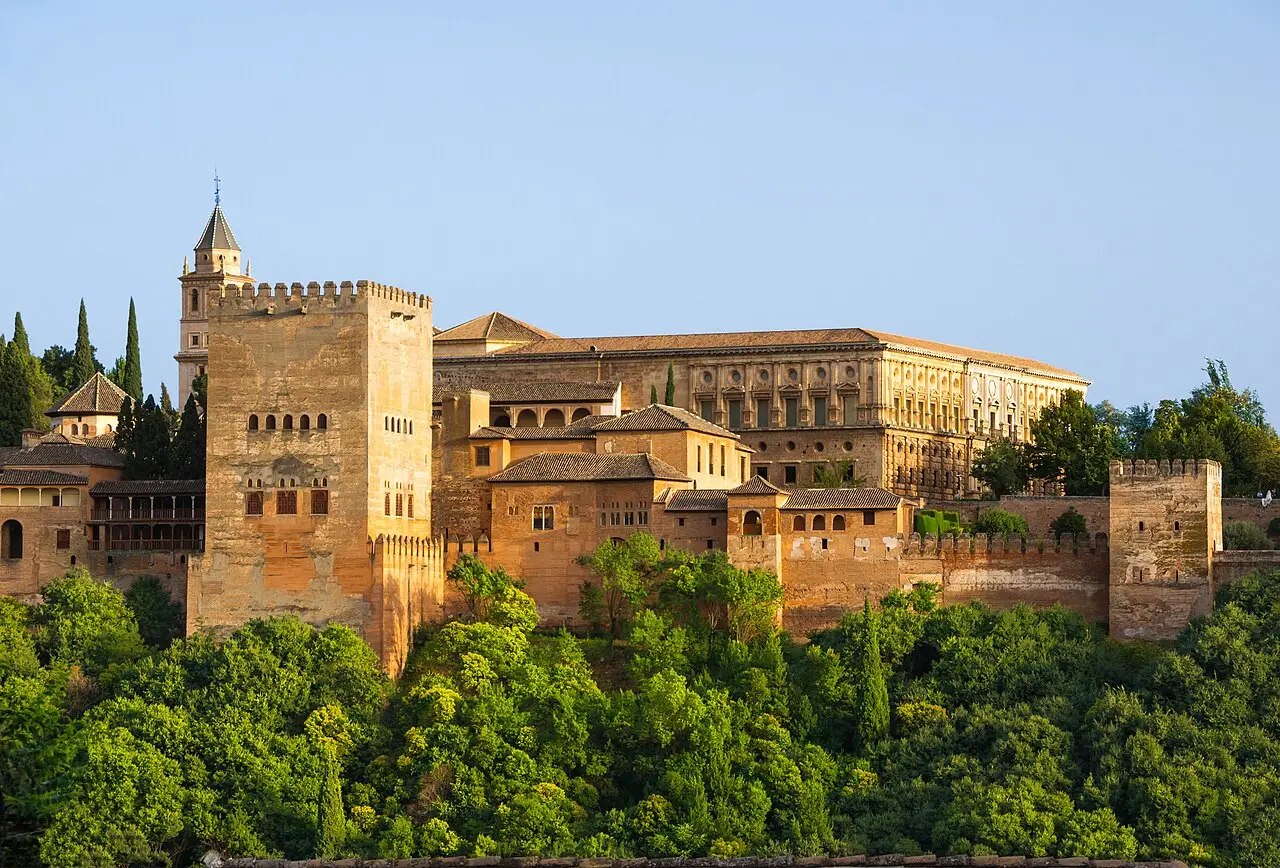
- The Alhambra, the Sagrada Família and Park Güell use timed tickets; the Alhambra often sells out weeks ahead. Book online.
- Free museum hours
- Many museums are free for the last hours of some days (the Prado on weekday evenings, for example). Expect queues (check each museum).
- Afternoon closures
- Small shops, especially in the south, often close from about 2 to 5pm and open again into the evening.