- Emergencies
- 112. 112 reaches all services from any phone and in English. 15 is the medical emergency service (SAMU). For small things, a pharmacy (green cross) is the first stop.
- Tipping
- Service is included by law ('service compris'). Leaving a euro or two, or rounding up, is a nice extra for good service, never expected. No cover charge. Tap water is free if you ask for 'une carafe d'eau'. Coffee at the bar costs less than at a table.
- Cards and cash
- Cards and phone payments work almost everywhere, even for small amounts; a few bakeries and market stalls prefer cash. Euros. Use bank ATMs ('distributeur'), and pay in euros when a card machine offers your home currency.
- Phone
- An eSIM bought before you go is usually the cheapest data; most 'Europe' plans cover it (check). Orange, SFR, Bouygues and Free sell prepaid SIMs in their shops and at airports; you usually need your passport to register one. EU roaming rules don't cover non-EU SIMs.
- Plugs
- Type C, E, 230 V. Two-pin European plugs; Type E has a round earth pin, and Type C plugs fit it. Australian and NZ plugs are Type I, so bring an adapter.
- Tourist tax
- Towns charge a 'taxe de séjour', usually about €0.50–€5 a person a night by type of bed (more in Paris), added to the bill or paid at check-in (check).
- Museums close one day a week
- Many museums shut on Monday or Tuesday (the Louvre on Tuesdays, the Musée d'Orsay on Mondays). Flewaway plans around the days it knows; check before you go.
- Book the big sights ahead
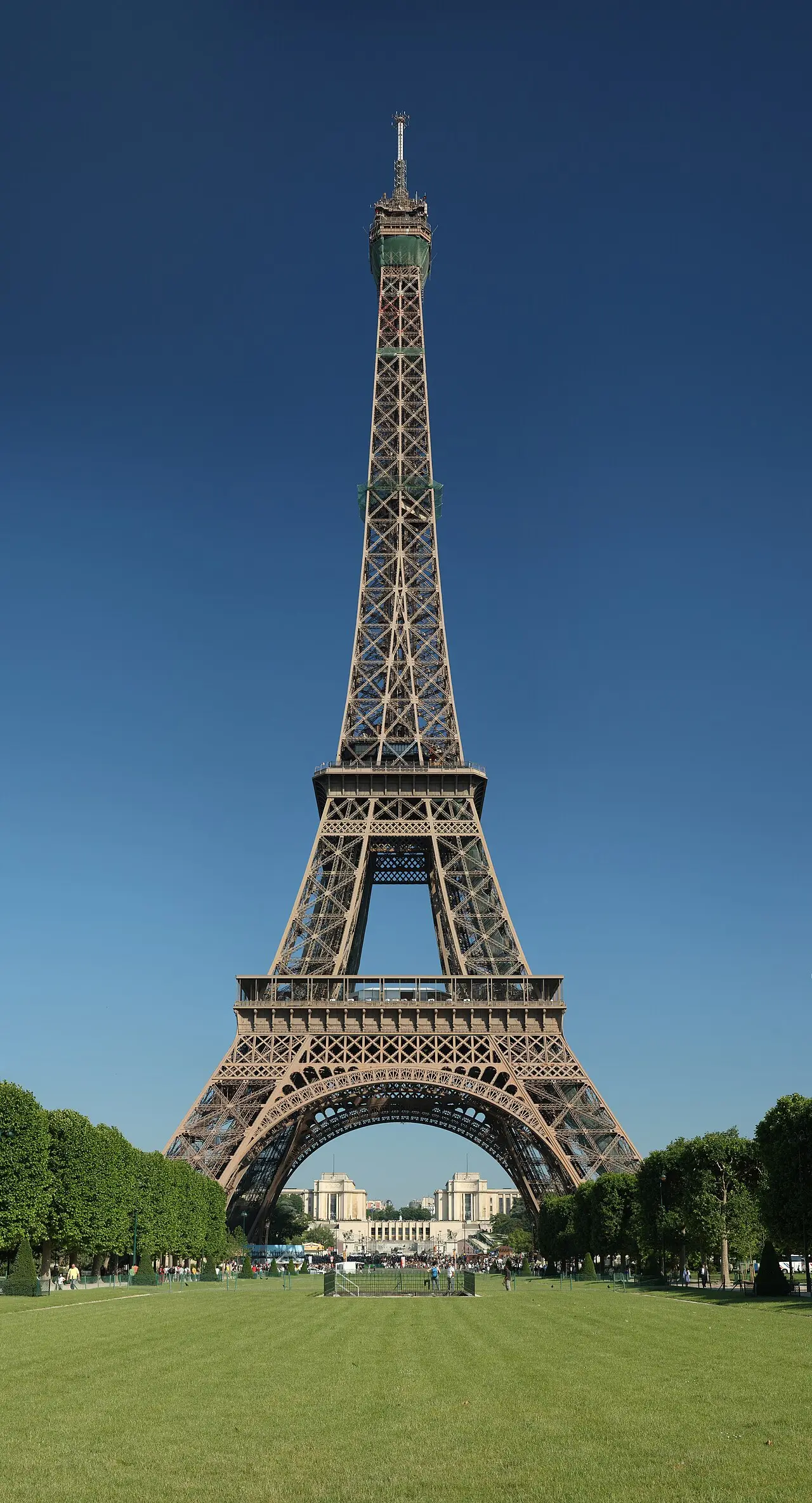
- The Louvre, the Eiffel Tower and Versailles use timed tickets that sell out in busy months; book online a week or more ahead.
- Free first Sundays
- Some national museums are free on the first Sunday of the month, often only in winter (check each museum). Under-26s from the EU get in free; others pay.
- Say bonjour
- Greet with 'bonjour' (or 'bonsoir' in the evening) when you walk into a shop, café or bakery. It matters more than you'd think.
- Meal times